Effective Industrial Waste Removal Strategies for Businesses
Share this article
Practical Industrial Waste Disposal Services for Businesses
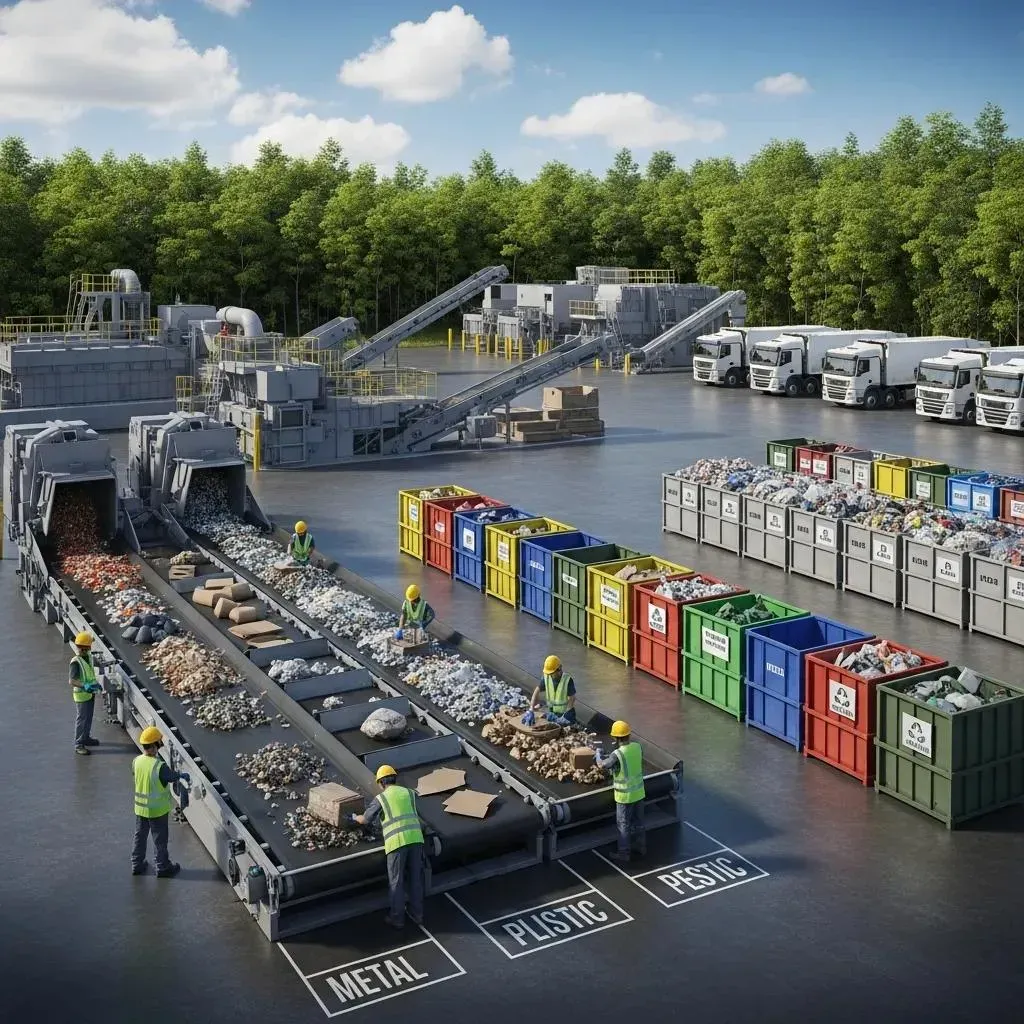
Proper industrial waste disposal keeps your business compliant, lowers costs, and minimizes environmental harm. Below we walk through proven strategies for removing industrial waste—focusing on sustainable practices, streamlined techniques, and practical tips your team can use. Poor waste management can mean fines, higher expenses, and reputational risk. By adopting straightforward disposal plans and working with pros, companies improve efficiency and do right by the planet. This guide covers green junk removal services, efficient commercial removal methods, and the benefits of hiring professionals.
Eco-Friendly Junk Removal Services
Eco-friendly junk removal prioritizes recycling and donation so less ends up in landfills. For businesses committed to sustainability, these services make it easy to divert usable goods and recyclable materials. Partnering with local charities gives items a second life, while certified recycling programs ensure materials are handled responsibly. Together, those approaches shrink your footprint and support the community.
Importance of Recycling and Donation
Recycling and donating items are simple ways to cut waste and keep resources in circulation. When businesses divert materials from landfills, they help create a circular system where products are reused and repurposed—saving raw materials and energy in the process.
Impact on Landfill Reduction
Choosing recycling and donation can dramatically reduce what your company sends to a landfill. That translates into less environmental damage, lower disposal costs, and a stronger sustainability record for your business.
Efficient Commercial Junk Removal Techniques
Efficient commercial junk removal streamlines how waste is sorted, transported, and processed. A clear system saves time, reduces labor, and cuts disposal costs. Simple procedures—like labeling streams and scheduling pickups—keep operations running smoothly.
Sorting for Recycling
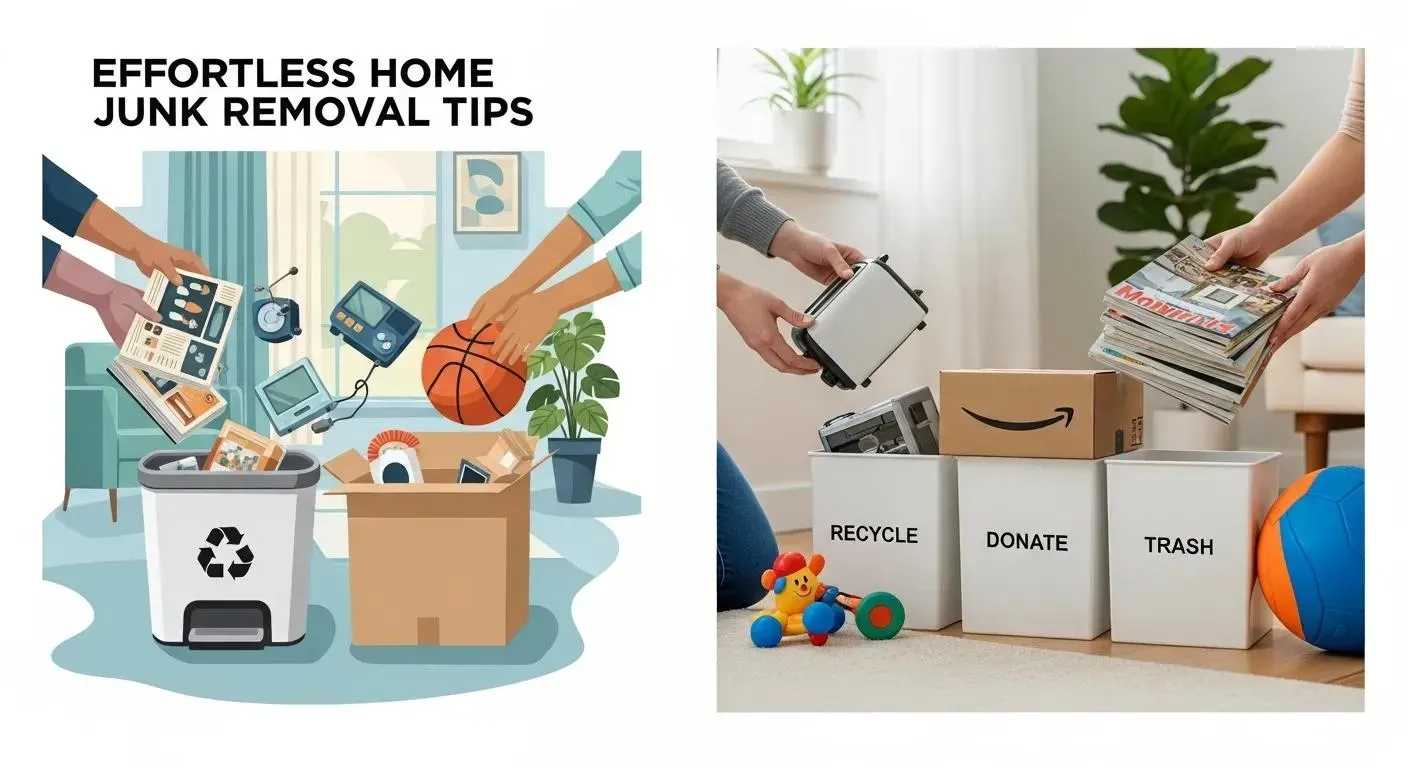
Sorting materials at the source—metal, plastic, paper, wood—improves recycling rates and lowers contamination. Clear bins, labels, and employee training make this an easy win for any facility.
Partnerships with Charities
Donating usable items to local charities reduces waste and strengthens community ties. These partnerships are a practical extension of a company’s sustainability program and improve public perception.
Best Practices for Waste Management
Adopting best practices helps businesses stay compliant and run cleaner operations. These basics include following local rules, using certified processors, and training staff so the system works day-to-day.
Consult Local Regulations
Know the rules that apply to your area—especially for hazardous materials. Staying current with local guidelines prevents fines and ensures safe handling and disposal.
Use Certified Recycling Programs
Work with certified recycling partners so materials are processed correctly and responsibly. Certified programs reduce contamination risks and deliver documented, traceable results.
Conduct Regular Training
Ongoing training keeps teams aligned on sorting, handling, and sustainability goals. Short, practical sessions—paired with visual reminders—make compliance part of the daily routine.
Key Considerations for Businesses
When planning industrial waste disposal, focus on environmental protection, clear pricing, and easy booking. Those three factors make waste management predictable and manageable.
Environmental Protection
Protecting the environment should guide your waste strategy. Eco-friendly practices cut your impact and send a positive message to customers and partners.
Transparent Pricing
Choose providers who explain costs up front. Transparent pricing avoids surprises and helps you budget more accurately for ongoing waste services.
Convenient Booking Options
Flexible scheduling and easy booking tools keep waste from piling up. Providers that offer simple online scheduling or dedicated account reps save you time.
Benefits of Professional Junk Removal
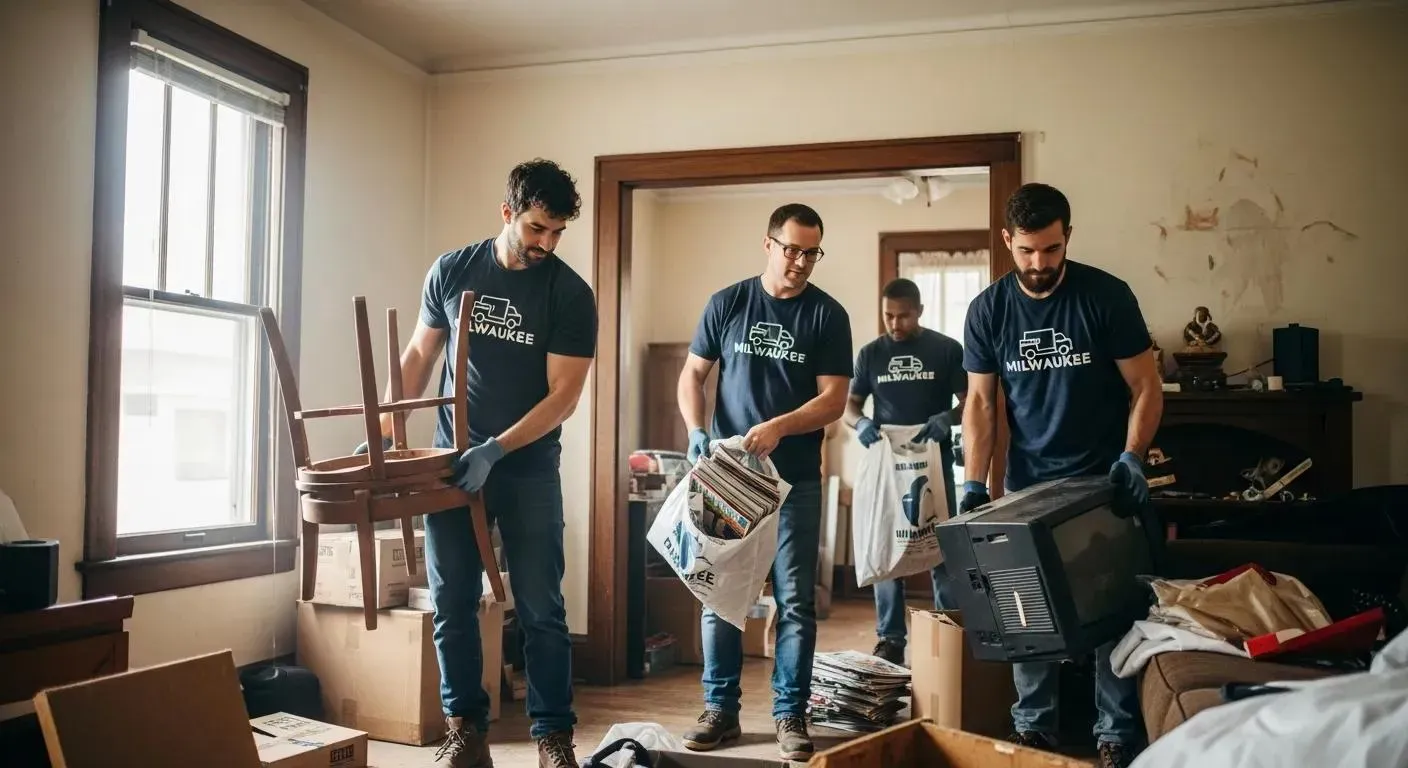
Hiring professional junk removal teams brings efficiency, safety, and compliance. Professionals handle logistics so your staff can stay focused on core work.
Time and Labor Savings
Outsourcing disposal frees your team from heavy lifting and coordination. That saves labor hours and reduces downtime during cleanups or renovations.
Enhanced Public Image
Working with responsible removal services shows customers you care about sustainability. That positive image can lead to stronger customer loyalty and business opportunities.
Stress Reduction for Businesses
Experts handle the paperwork, transport, and correct disposal methods—reducing regulatory risk and the stress of managing waste in-house.
What Are the Key Types of Industrial Waste Businesses Need to Manage?
Understanding the types of industrial waste you produce helps you choose the right disposal path. Common categories require different handling and compliance steps.
Hazardous Waste
Hazardous waste includes materials that threaten health or the environment and needs special handling and disposal. Follow regulations carefully to avoid contamination and penalties.
Construction Debris
Construction debris—concrete, wood, metal—often comes from renovations or projects. Proper sorting and disposal keep sites safe and reduce landfill volume.
E-Waste
E-waste covers discarded electronics and components. Because electronics contain valuable and hazardous materials, they require specialized recycling streams.
Understanding Hazardous vs. Non-Hazardous Industrial Waste
Knowing the difference between hazardous and non-hazardous waste helps you apply the right controls and choose compliant disposal services.
Definition of Hazardous Waste
Hazardous waste is any material that can harm people or the environment—chemicals, certain batteries, and some electronics. It needs secure handling, storage, and documented disposal.
Examples of Non-Hazardous Waste
Non-hazardous waste includes general office refuse, packaging, and many types of construction leftovers. It's easier to manage but still benefits from recycling and proper disposal.
Regulatory Implications
Regulations differ depending on waste type. Noncompliance can lead to fines, clean-up costs, and reputational damage—so stay informed and keep records.
Common Industrial Debris and Commercial Junk Categories
Businesses deal with a range of debris. Identifying categories helps select the right disposal or recycling option and control costs.
Types of Debris
Typical debris includes building materials, packaging waste, and outdated or broken equipment. Each stream needs tailored handling and disposal.
Disposal Methods
Disposal options include recycling, donation, and landfill. Evaluate each material to choose the most sustainable and cost-effective route.
Recycling Options
Many industrial materials—metals, cardboard, certain plastics—are recyclable. Check local programs to maximize diversion and reduce landfill fees.
How Can Businesses Ensure Regulatory Compliance in Industrial Waste Removal?
Compliance requires clear processes: know the law, use certified partners, and keep records. Those steps protect your business and reduce risk.
Consult Local Regulations
Start by reviewing local rules for waste disposal and hazardous materials. Regulations change, so schedule periodic reviews to stay compliant.
Use Certified Recycling Programs
Certified recyclers provide traceability and reduce contamination risk. They can also document proper handling for audits and reports.
Maintain Documentation
Keep pick-up receipts, manifests, and recycling certificates. Good records prove compliance and simplify audits or inspections.
Overview of Milwaukee County Waste Disposal Regulations
Milwaukee County enforces specific standards for waste handling and disposal. Businesses operating in the county should follow these rules to avoid penalties.
Specific Guidelines for Hazardous Waste
Milwaukee County details how hazardous materials must be labeled, stored, and disposed. Adhering to those guidelines keeps your operation safe and legal.
Compliance Requirements
Requirements include proper storage, labeling, and approved disposal methods. Reach out to local agencies or certified providers for details.
Potential Penalties for Non-Compliance
Non-compliance can lead to fines, cleanup orders, and legal exposure. Prioritize compliance to protect your bottom line and reputation.
Best Practices for Meeting Environmental Compliance Standards
To meet environmental standards, stay informed, sort waste responsibly, and work with professional services that understand local rules.
Understand Local Regulations
Knowing the law is the first step. Assign responsibility for regulation updates and ensure those updates are shared with your team.
Implement Responsible Waste Sorting
Simple sorting systems dramatically improve recycling outcomes and lower contamination rates—helping you meet compliance standards.
Partner with Professional Services
Licensed waste partners bring expertise and paperwork support, which helps you meet regulatory standards and reduce liability.
What Eco-Friendly Waste Removal Solutions Support Sustainable Business Practices?
Eco-friendly solutions focus on reducing landfill waste through recycling, donation, and smarter procurement. These steps are practical and measurable.
Sorting for Recycling
Sorting at source boosts recycling and reduces contamination. Clear bins and instructions make this an easy habit for staff.
Partnerships with Local Charities
Donations repurpose usable items and support local needs—it's a direct way to reduce waste and boost goodwill.
Minimizing Waste to Landfills
Target waste reduction through recycling, reuse, and smarter purchasing decisions. Small changes add up over time.
Recycling and Donation Programs in Industrial Waste Management
Recycling and donation are core parts of a sustainable industrial waste program. They cut costs and support community partners.
Assessment of Waste
Run a waste assessment to see what can be reused or recycled. A quick audit reveals easy wins and potential savings.
Establish Partnerships
Work with local recyclers and charities to build reliable channels for unwanted items—this makes diversion predictable and repeatable.
Create a Recycling Plan
Document goals, responsibilities, and timelines. A clear recycling plan turns intentions into action and shows measurable progress.
Innovative Methods for Reducing Industrial Waste Impact
Sorting for Recycling
Good sorting is the backbone of waste reduction—combined with smarter procurement, it lowers both waste and costs.
New technologies like AI and machine learning are improving sorting accuracy and throughput, reducing labor needs and contamination in recycling streams.
AI for Intelligent & Sustainable Waste Management Efficiency
As waste pollution grows into a major global concern, intelligent and sustainable waste management becomes more important across countries. Deep learning methods are emerging as practical tools to address waste challenges by lowering labor costs and automating complex sorting tasks.
Enhancing waste sorting and recycling efficiency: robust deep learning-based approach for classification and detection, FR Sayem, 2025
Community Engagement Initiatives
Getting the community involved—through drives, events, or partnerships—helps expand recycling reach and builds shared responsibility for waste reduction.
E-Waste Recycling Programs
Formal e-waste programs ensure electronics are broken down and recycled safely. They protect data, recover valuable materials, and prevent hazardous substances from entering the environment.
How Do Businesses Access Reliable and Cost-Effective Industrial Waste Disposal Services?
Finding dependable, affordable waste services is about research, comparison, and prioritizing providers with verifiable eco practices.
Research Local Providers
Start with local options, check service lists, and ask for references. Local providers often offer faster service and know regional rules.
Compare Pricing
Get multiple quotes and compare what’s included—disposal fees, recycling rates, and any additional charges—so you can budget accurately.
Check for Eco-Friendly Practices
Prioritize companies that recycle, donate, and document their processing. That ensures your waste is handled responsibly and transparently.
Booking and Pricing Options for Commercial Junk Removal in Milwaukee
In Milwaukee, look for transparent quotes, flexible scheduling, and clear contact methods to simplify commercial junk removal.
Transparent Pricing
Demand itemized pricing so you know what you’re paying for—this avoids surprise fees and helps compare providers fairly.
Convenient Booking Options
Choose companies that offer online booking, phone support, or dedicated account reps to make scheduling easy and reliable.
Contact Methods
Clear communication channels—phone, email, or web forms—help resolve questions quickly and build trust between you and the provider.
Choosing a Trusted Local Industrial Waste Removal Partner
Pick partners with proven reputations, proper licensing, and clear environmental practices. Those traits protect your business and the community.
Reputation and Reviews
Read customer reviews and ask for references. Real feedback shows how a company performs on timing, pricing, and reliability.
Licensing and Insurance
Verify licenses and insurance before hiring. Proper credentials lower your risk and ensure legal compliance during disposal.
Eco-Friendly Practices
Look for providers that prioritize recycling and donation. A responsible partner helps you meet sustainability goals and reduce landfill volume.
For more information on junk removal, visit Clutter Punch Junk Removal.
Frequently Asked Questions
What are the benefits of implementing eco-friendly waste disposal practices?
Eco-friendly practices lower environmental impact, often cut disposal costs, and improve public perception. Recycling and donation reduce landfill use and conserve resources. Companies that act sustainably can attract customers and boost employee pride—creating a lasting business advantage.
How can businesses effectively train employees on waste management?
Use short workshops, hands-on demos, and clear visual guides to teach sorting and handling. Reinforce training regularly and share updates on local rules. Engaging, practical sessions help teams follow procedures consistently.
What role do local charities play in industrial waste management?
Charities accept usable items that would otherwise be thrown away, helping reduce waste while supporting community needs. Partnering with charities is a practical way to divert goods and strengthen your company’s social impact.
What are the key factors to consider when choosing a waste disposal provider?
Check reputation, licenses, and insurance. Look for transparent pricing, flexible scheduling, and verified eco practices. Provider reliability and local knowledge are also important selection criteria.
How can businesses assess their waste streams for recycling opportunities?
Conduct a waste audit: tally what you throw away, identify recyclable streams, and note volumes. Use the findings to prioritize recycling, donation, or reuse opportunities and involve staff in identifying improvements.
What are the potential penalties for non-compliance with waste disposal regulations?
Penalties can include fines, cleanup orders, and legal action, plus reputational harm. Staying compliant through training, proper handling, and documentation reduces those risks.
How can technology improve industrial waste management practices?
Technology—like automated sorting, tracking systems, and AI—can increase recycling rates, cut labor costs, and improve traceability. These tools make operations more efficient and help meet regulatory reporting needs.
Conclusion
Effective industrial waste disposal improves operations, reduces environmental harm, and protects your business from regulatory risk. Prioritize recycling, donation, and certified partners to make waste management simple and sustainable. If you want tailored solutions that support your company’s goals, our services can help—reach out to learn more.
Recent Posts